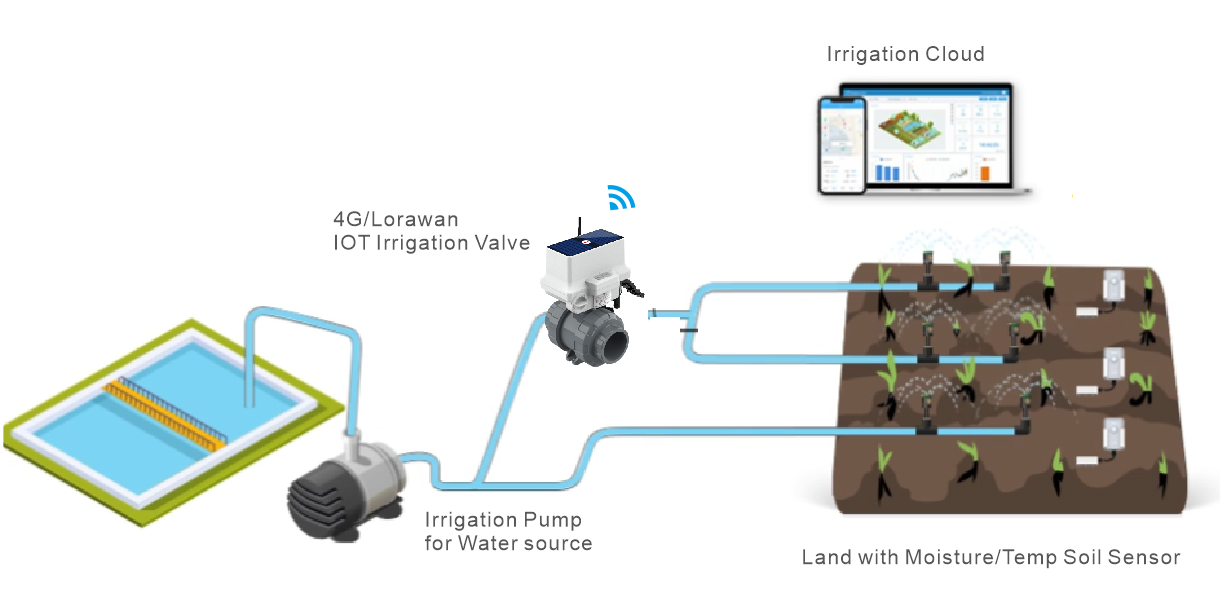
where are irrigation valves located?horário de emissão:2024-08-10 14:17 In most cases, irrigation valves arelocated in a valve box, which is a protective enclosure that houses the valvesand related components. Valve boxes are typically installed at strategic pointsalong the irrigation system, such as at the beginning of a zone or at thejunction of multiple zones. These locations are chosen for easy accessand maintenance. Valve boxes are often buried underground toprotect the valves from damage and to maintain a neat and unobstructedlandscape. They are usually made of durable materials such as plastic orconcrete to withstand the weight of soil and other environmental factors. The lidsof valve boxes are designed to be easily removable for accessing the valvesinside. To locate irrigation valves on yourproperty, look for small, round or rectangular lids protruding slightly fromthe ground. These lids are often marked with the word "valve" or"irrigation" for easy identification. Using a shovel or a specializedvalve box locator tool, carefully dig around the lid to expose the valve box. Once the valve box is exposed, carefullyremove the lid to reveal the valves inside. Depending on the size of theirrigation system, there may be multiple valves within a single valve box. Eachvalve is typically labeled with the zone it controls, making it easier toidentify and troubleshoot specific areas of the system. In some cases, irrigation valves may alsobe located above ground, especially in commercial or industrial settings whereaccessibility and maintenance are prioritized. These above-ground valves areoften housed in protective enclosures or cabinets to shield them from theelements and potential damage. Understanding the location of irrigationvalves is essential for proper maintenance and troubleshooting of an irrigationsystem. Regular inspection and maintenance of valves can help ensure theefficient operation of the entire irrigation system, leading to healthierlandscapes and more effective water conservation. |